
Overview
The UK Post Office wanted to modernise its mobile experience by introducing secure digital wallet payments. emagine integrated Apple Pay and Android Pay into the existing mobile app, giving customers a faster way to pay while maintaining strong security, cross-platform consistency and reliable performance.
The Challenge
The UK Post Office is one of the UK’s most recognised public service institutions. As customer expectations shifted towards faster and more convenient digital services, the organisation needed its mobile experience to keep pace.
Mobile had become an increasingly important channel for customer transactions. People expected to move through checkout quickly, securely and with as little friction as possible. Yet the existing Post Office mobile application did not support Apple Pay or Android Pay.
That gap created a weaker experience at a critical point in the journey. Customers had to enter card details manually to complete a purchase, adding unnecessary steps and making checkout feel slower than other digital services they used every day. In a competitive digital environment, that kind of friction can affect both conversion and customer satisfaction.
The challenge was not simply to add two payment buttons. The Post Office needed a mobile payments solution that worked reliably inside an established application, across two operating systems and under strict security requirements.
The first challenge was platform complexity. Apple Pay and Android Pay rely on different native frameworks, security models and implementation patterns. The solution had to work consistently across iOS and Android while still feeling seamless to the end user.
The second challenge was security and compliance. Mobile payments involve sensitive customer and transaction data, so the integration needed to support tokenisation, encryption and secure user authentication. Any new payment capability had to align with global payment standards while protecting the integrity of the wider mobile platform.
The third challenge was experience design. The payment journey needed to feel intuitive and lightweight, not bolted on. The new capability had to slot naturally into the existing checkout flow, reduce friction and preserve the reliability customers expect from a national service provider.
The Post Office therefore needed a solution that could balance three priorities at once: modern customer experience, robust payment security and dependable cross-platform delivery.
Current situation:
- No native Apple Pay support in the existing mobile checkout flow
- No native Android Pay support in the existing mobile checkout flow
- Manual card entry added friction at the point of purchase
- Separate iOS and Android requirements increased delivery complexity
The Solution
To help the Post Office modernise mobile checkout, emagine designed and delivered a secure payment integration that brought Apple Pay and Android Pay directly into the existing mobile application.
The focus was clear from the outset: create a payment experience that felt simple for the customer, robust for the organisation and consistent across both iOS and Android.
Phase 1: Defining the integration approach
emagine began by assessing how mobile wallet functionality could be introduced without disrupting the existing application architecture. This meant understanding the technical constraints of the live environment, the requirements of each platform and the expectations for security, performance and usability.
Rather than creating a fragmented solution, emagine defined an approach that would support both Apple Pay and Android Pay through custom native plugins. This gave the Post Office the flexibility to integrate wallet functionality directly into the existing app while preserving control over the customer journey.
At this stage, the team also aligned closely with internal stakeholders to ensure the proposed solution matched the Post Office’s technical standards, operating requirements and broader digital roadmap.
Phase 2: Building secure native payment capability
emagine then developed the native integrations using the official payment SDKs provided by Apple and Google. These frameworks made it possible to support secure, tokenised transactions without exposing raw payment details within the application.
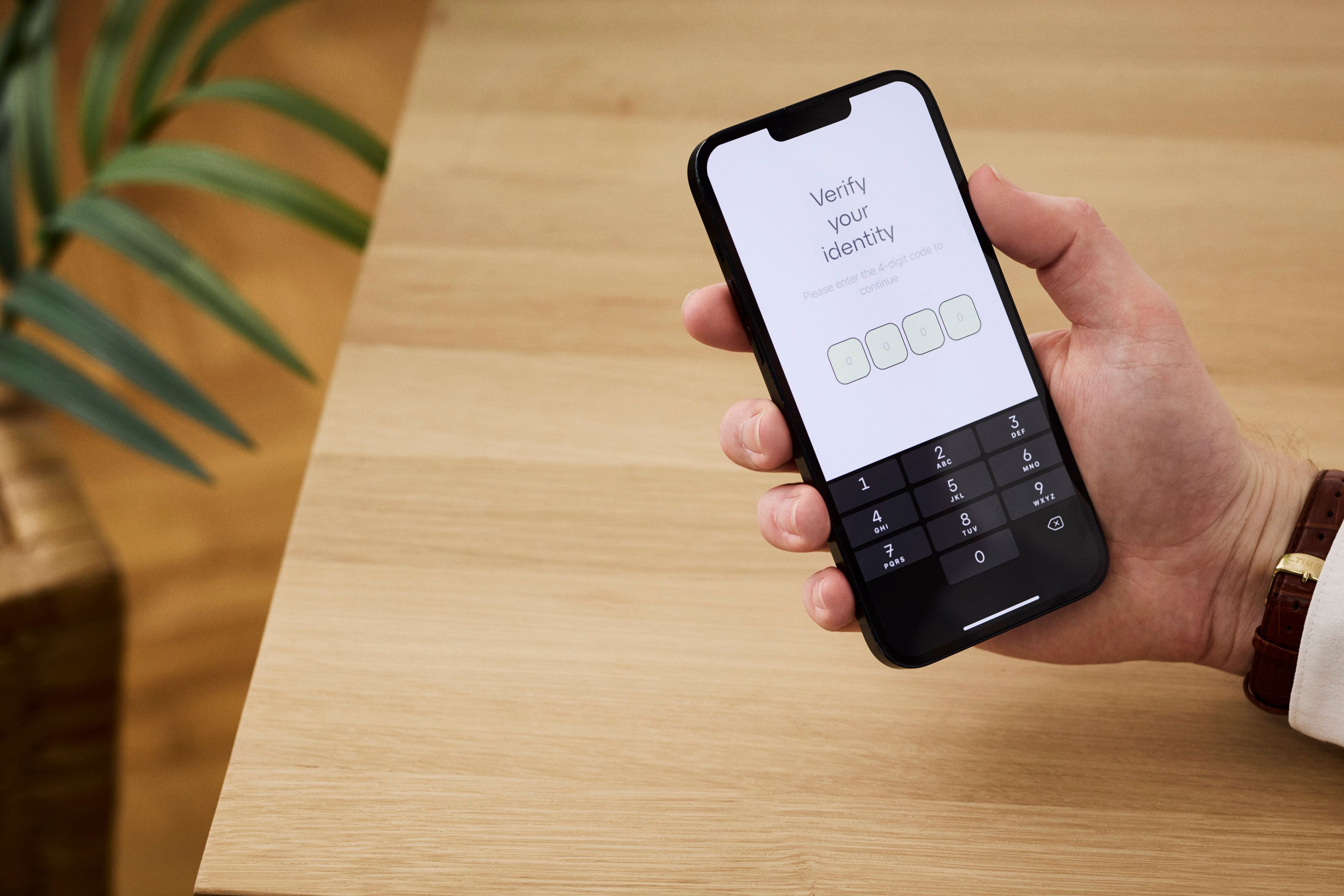
The integrations were designed to use device-level authentication, including biometrics and passcodes, to confirm user identity at the point of payment. This helped strengthen security while also making the payment journey faster for customers.
By relying on tokenisation and encrypted communication, the solution reduced the risks associated with handling sensitive payment data and supported compliance with recognised payment security standards.
Phase 3: Designing a frictionless checkout experience
Security alone was not enough. The new payment options also needed to improve the customer journey in practical terms.
emagine embedded Apple Pay and Android Pay into the checkout flow so customers could complete purchases in just a few taps. The experience was designed to feel like a natural part of the app, not a separate or inconsistent feature.
Particular attention was given to ease of use, flow logic and interface consistency. The goal was to remove unnecessary steps, reduce abandonment risk and give customers the kind of quick, familiar payment experience they already expected from leading mobile services.
Phase 4: Validating performance across platforms
Before release, emagine carried out extensive testing to confirm that the integrations worked reliably across devices, operating systems and payment scenarios.
This validation phase helped ensure that both wallet options performed consistently, that the checkout journey remained stable under different conditions and that the final release met the reliability standards expected of a national organisation.
Throughout delivery, emagine worked closely with the Post Office team to keep the solution aligned with existing systems, internal policies and operational expectations.
Transformation timeline
Phase 1
Defining the integration approach
Phase 2
Building secure native payment capability
Phase 3
Designing a frictionless checkout experience
Phase 4
Validating performance across platforms
The Results
Faster mobile checkout
Customers could complete transactions in a few taps instead of manually entering payment details, reducing friction at the point of purchase.
A more convenient customer experience
The app introduced payment options customers already knew and trusted, creating a more intuitive mobile journey across iOS and Android.
Stronger payment security
Tokenised transactions, encrypted communication and device-level authentication helped protect sensitive payment data throughout the checkout process.
Reliable cross-platform delivery
The final solution worked consistently across both mobile operating systems while fitting cleanly into the existing application experience.